

Marcus’s Valid Trade. Three Correlated Positions Put His Repair Money at Risk.
A trade can pass every model rule and still breach your limits. Learn the personal checks an approval gate cannot define for you.

What If a 12% Allocation Was Calculated for the Wrong Account?
A 12% trade allocation can hide the wrong assumptions. Learn how to check account risk before approving an AI-proposed order.
Approval-Gated Trading: How Daniel Preserved the Right to Reject a Valid Signal
Your bot found a valid signal. Your trading plan still says no. See why an approval gate matters before capital moves.

David's bot traded overnight. He forgot an old order.
Discover why autonomous trading bots generate orders with no clear owner, leading to unexpected trades. Learn how an approval gate restores control.
When should a human reject an AI trade that meets all signal rules?
Learn why an AI-queued trade that passes signal rules but exceeds your loss limit is a critical moment for human override in disciplined trading.

Trading decision quality: Why Leo separated his crypto win from his next position size
Learn why a winning trade can trick you into bad decisions. Separate outcome quality from decision quality for disciplined trading.

The Chart That Doubled: Why Your Worksheet Still Advises 1% Risk
A frontier market chart doubled, but your position-sizing still says 1% risk. Learn why excitement shouldn't drive trading exposure.

Lena's urgent signal. Her approval gate demands a final check.
Even in fast-moving markets, an AI's trade signal needs a human approval gate to ensure disciplined position sizing & risk management.

How Does One Bad Trade Take Out 2.5% of a Sub-$1,000 Account?
Learn why position sizing, not prediction, is key for new traders with sub-$1K accounts to manage risk and learn from losing trades.
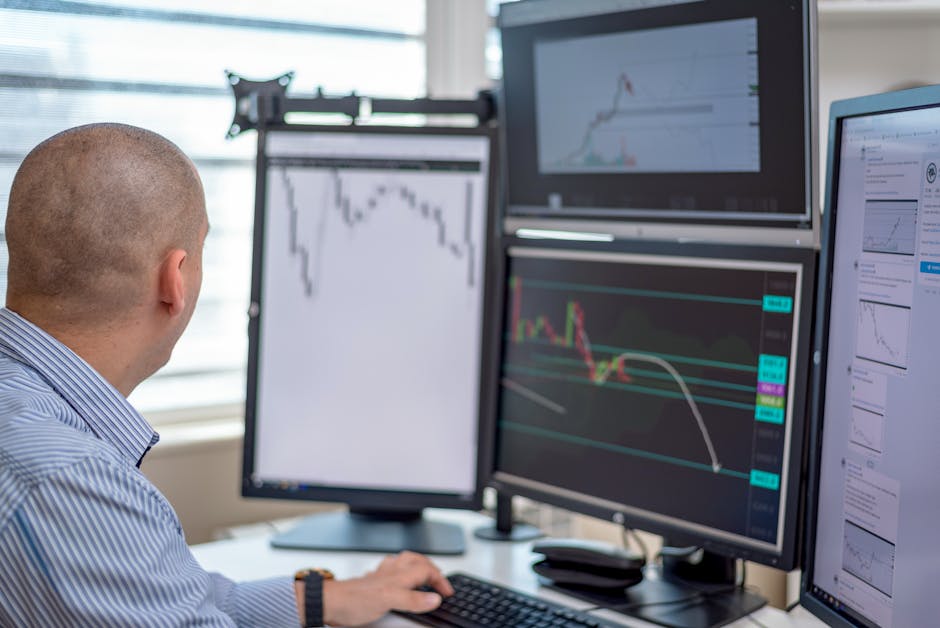
Nokware's Approval Gate: Why Ethan Rejected a High-Conviction AI Trade
Learn why TraderCoach requires human approval for every AI-generated trade, ensuring you keep control over your capital and risk management.
The Unit Mismatch a Spacecraft Didn't Catch, and What It Cost a $125 Million Mission
Autonomous bots trade alone. Approval-gated AI needs your consent. See how execution authority and auditability differ.

Leo's AI queues a trade, the market's ticking up. He must approve it, or miss the surge.
AI proposes a trade during a market surge. An approval gate lets you review its logic, position sizing, and downside before committing real money.
Where Does AI Proposal End and Human Authority Begin in a Trade?
See exactly where AI trading proposals should stop and human approval should begin across sizing, execution, changes, and exits.
Frontier Market Position Sizing: Why Lena Rejected a Fast-Moving Trade
Fix maximum loss before urgency takes over. Use this 90-second drill to size, stress-test, approve, or reject a frontier-market order.
The Third Ticker on Your Risk Sheet, and What It Can Hide
Three tickers may hide one concentrated momentum bet. Learn how to identify shared risk before approving another trade.
Owen’s $4,000 Order. Approving It Would Break His 1% Risk Limit.
See how a 1% risk rule turned a $4,000 order into $1,250 before one click put $800 at risk.

What Happens When a Stock Position-Size Rule Is Applied to Platinum?
Adding platinum to your watchlist? Check the units, contract terms, and stop assumptions before reusing a stock sizing rule.
Position Sizing After Losses: Why Evan Rejected a Recovery Trade
Three losses can quietly distort your next order. Learn a position-sizing check that keeps recovery pressure out of your risk calculation.
The Unit Mismatch NASA Missed, and What It Reveals About Trading Risk
A trading system can execute every rule and still create the wrong position. Learn the account-level checks that should come before approval.

Eli’s correlated exposure. One more trade would exceed his risk limit.
Your AI found a trade. Before approving it, use this risk review to decide whether the signal fits your account and written rules.