

The Weakening Volume at 7:12 AM, and What It Could Cost an XRP Trader
Bullish XRP momentum and weakening volume? Use a clear wait condition before a dashboard disagreement becomes a forced trade.
Eli’s Growth Bet Was Doubled. One Drawdown Could Exceed His Limit.
Two tickers can hide one growth bet. Learn how to spot narrative overlap before approving a stock or crypto trade.
What Happens When the Same Backtest Produces Different Broker Results?
Why one strategy can pass on one broker and fail on another, plus a practical checklist for testing data and execution assumptions.
Concentration-risk alerts: What Eli Learned About Portfolio-Level Risk
A concentration-risk alert can expose hidden portfolio risk before you approve a pending trade. Learn the checks to make first.

The Queued Order Ten Minutes Before Earnings, and What Pressure Can Override
An earnings order is queued with ten minutes left. Use a prewritten risk check to decide without guessing the announcement.
Adrian’s Three Gold Headlines. No Confirmation, No Trade.
Three bullish gold headlines can repeat one assumption. Use this pre-trade routine to test confirmation, invalidation, and risk first.

What Should You Do When Trade Alerts Spike but the Evidence Does Not?
Eleven signals can hide one concentrated risk. Learn when to pause AI trade approvals and what to verify before placing an order.
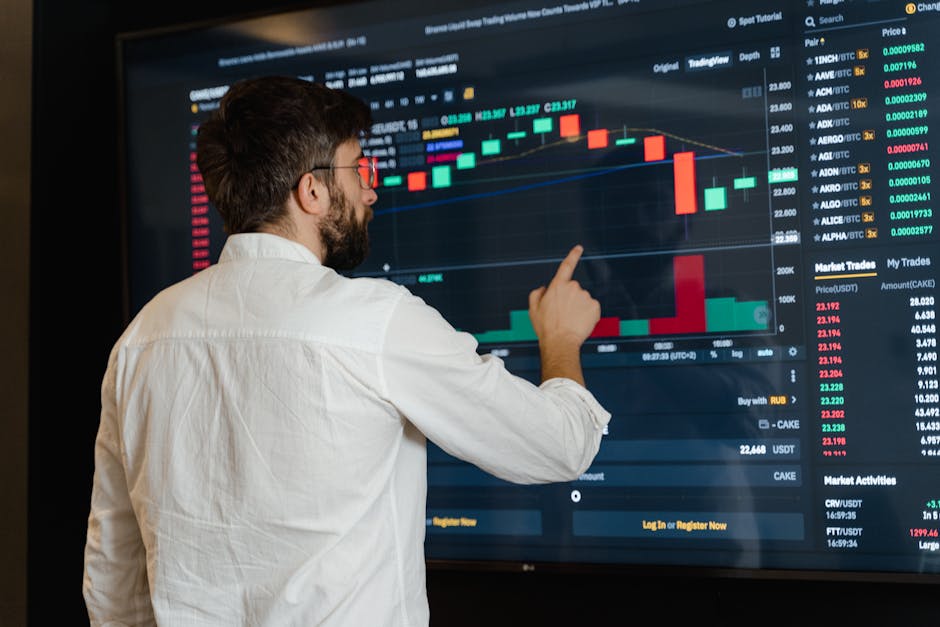
US100 Stop Loss: How Adrian Kept Discomfort From Overruling His Risk Plan
Your US100 stop is close and the trade is red. Use this evidence test before turning a planned loss into an undefined risk.
The Queued Order That Survived the RBI News, and What It Could Cost
Banking stocks fell after an RBI decision. Learn how to review a queued trade before fear turns a signal into an order.
Leo’s Three Weak Signals. One Forced Trade Could Put $28,000 at Risk.
Three signals are waiting. Learn why weak price, volume, and volatility confirmation can make rejecting all three the disciplined choice.
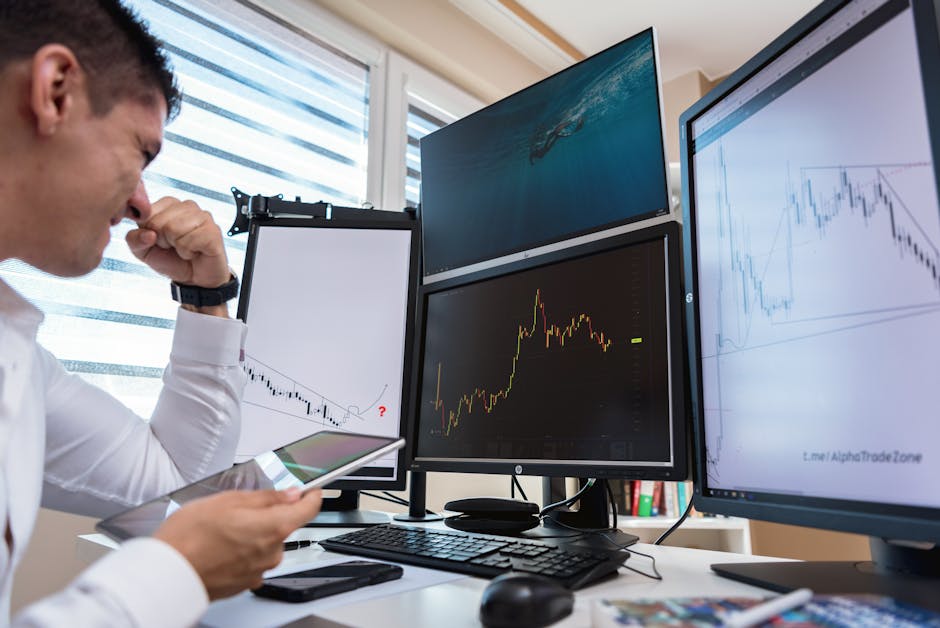
Would I Take This Trade If Today’s P&L Were Already at Breakeven?
Learn how to spot a breakeven-driven recovery trade before loss chasing changes your entry, position size, and exit rules.

Revenge Trading: Why Leo Rejected the Fourth Trade After Three Losses
Three losses can quietly turn the next setup into a recovery attempt. Learn the checks that keep position size and approval disciplined.
The Mental Stop at 12:57, and What It Could Cost an Unavailable Trader
A 1:00 meeting can change your portfolio risk. Use a pre-meeting rule to decide which trades can remain open without supervision.
Adrian’s Partial Fill. 45 Shares Could Execute Into a Losing Trade.
A partial fill can change your position size, entry price, and risk. Learn how to reassess the live remainder before it executes.
XRP Sentiment: Why Jonah Rejected a Trade Without Entry Evidence
XRP sentiment has reached a bearish extreme. Learn what must confirm before you turn that context into a risk-defined trade.
The Third August Setup, and What Scarcity Makes It Seem Worth
Thin August markets can make weak chart patterns feel compelling. Use an approval checklist to separate real evidence from pressure to trade.
Daniel’s Three Losses. One Oversized Trade Could Damage His Account.
Three losses can turn discipline into revenge trading. See how one prewritten risk rule protects the next decision and the account.

What Happens When Trading Costs Erase a Profitable Backtest?
Your backtest made money. See how one missing trading-cost assumption can reverse the result before you risk real capital.
Max Drawdown Planning: What Four Losses Taught Maya About Trading Discipline
Your backtest looked clean, then losses arrived. Learn how to use max drawdown to size risk, set pause rules, and avoid panic decisions.
Brokerage AI analysis vs autonomous trading bots vs approval-gated assistants: who controls order execution, risk limits, and the final decision?
Compare brokerage AI, autonomous bots, and approval-gated assistants by execution control, risk limits, and human oversight.