
Topic
position-sizing
Marcus’s oversized position. One trade created most of the week’s drawdown.
Six small losses may not explain a bad trading week. Learn how a Friday review can expose one oversized position and tighten risk controls.

Apollo 13’s Lost Oxygen Tank, and the Risk a Long Weekend Can Hide
A three-day market closure can change your risk limit. Learn how to size positions, review gaps, and approve trades before the weekend.
The Green Number That Can Hide a Rule Break, and Its Cost
Use a Friday trading journal review to separate disciplined losses from profitable rule breaks before P&L changes the story.
Jonah's Three Trades Shared One Risk. His Stops Exceeded His Limit.
Three reasonable AI signals can hide one concentrated trade. Learn how to spot shared risk before approving an order.

Lena’s Red Position. A Stop Move Could Break Her Risk Limit
Set your stop, invalidation point, and maximum loss before entry so a red trade cannot quietly expand its risk.
The Entry Price Your Backtest Assumed, and What Approval Could Cost
Learn how approval delays can change backtest fills, position risk, and the trades you would actually take.

Andre’s Stop Moved Three Times. His Loss Limit Was at Risk.
Moving a stop changes your risk. Follow one composite trade to see why “one more candle” needs a new calculation.

The First 15 Seconds, and What a Green Candle Can Cost You
A 15-second decision sequence for evaluating crypto breakouts before a large green candle turns into an impulsive trade.

The $20 Risk Limit Sam Nearly Ignored on Friday
One oversized Friday trade can erase weeks of discipline. Learn how per-trade risk limits protect retail trading decisions.
What Happens When a $300 Gain Determines Your Position Size?
A hoped-for $300 gain can hide oversized risk. Learn the position-sizing check to make before approving a trade.
Queued stock orders: What an Opening Gap Taught Lena About Position Risk
Opening gaps can change stop distance and position risk. Learn the checks to make before approving a queued trade.
Corporate transparency belongs in a trading risk checklist: what retail traders can examine before position sizing, entry, and exit decisions.
Build corporate transparency into your trading checklist, then size, enter, and exit stock positions with clearer risk limits.
Max drawdown explained: how position size, consecutive losses, and stop-loss discipline interact — with worked examples for retail traders and no promised outcomes. Educational content — not financial advice.
See how position size, loss streaks, and stop discipline shape drawdown, with clear retail-trader examples and calculations.
The $20 Risk Limit an AI Trade Could Exceed, and Why Rejection Matters
Learn why rejecting an oversized AI-generated trade helps traders build position-sizing discipline before an order executes.
The Queued Exit Andre Rejected, and the Losing Position It Would Have Protected
An AI-generated exit can preserve the wrong risk. Learn how to spot familiarity bias before approving a trade.
Elena’s bank stock broke her exit rule. Familiarity raised her risk.
Learn how home bias, familiarity bias, and the disposition effect can combine in one trade, then build a review process to catch them.
Lena’s $86 Win Hid Oversized Risk. Her Loss Limit Was at Stake.
Stop letting a green trade hide bad risk. Build a weekly review that grades sizing, execution, and rule adherence.

Trade Order Preview: Priya Caught a 40-Share Risk Mismatch Before Approval
A queued trade showed 40 shares instead of 20. Learn the preview checks that can catch position-sizing mismatches before execution.

Trade Invalidation Price: How Leon Sized Risk Before Entry
Write your invalidation before entry to size trades from risk, expose weak setups, and avoid forcing a stop to fit.
The $100 Risk Limit the $5,000 Trade Quietly Doubled
See how one late-night position-size error can double planned trade risk, and use a simple calculation to catch it before entry.
What Happens When Risk Increases on the Trades After a Loss?
A losing trade can raise risk on the approvals that follow. Learn how to spot exposure drift before it compounds.
Crypto position thesis review: What a Broken Support Level Taught Rafael About Risk
A second drop changes a trade. Learn how to review your thesis, stop, and position size before averaging down.

The Missing Stop Behind an 8% Dip, and What It Can Cost
An 8% dip means little without a defined loss limit. Learn how position size and stop placement make trading risk visible.
Daniel’s 30% drawdown. A $7,500 loss before recovery.
A profitable backtest can still exceed your risk limit. Learn how to turn maximum drawdown into a position-sizing decision.
The 80 Share Signal That Broke the $35 Risk Limit
Why rejecting an oversized AI trade signal can protect your risk plan, and how approval gates build trading discipline.
Eli’s Frustration Doubled His Risk. His Daily Loss Limit Was at Stake.
A trading journal can expose when frustration, rather than setup quality, caused a larger losing position.
The five seconds before approving a trade: a practical checklist for position size, stop placement, downside, and invalidation
A five-second approval checklist for sizing trades, placing stops, measuring downside, and rejecting stale setups.
Eli’s nine-loss stretch. A 68% win rate could not protect his account.
A 68% win rate can hide the drawdown that breaks your plan. Learn how to review losses, sizing, and survivability first.
What Happens When 40 Shares Risk $100 Against a $35 Limit?
Turn a cash-loss limit into a share count before approving an order, and catch oversized positions before submission.
CFD Copy Trading: Why Leon Had to Verify His Stop-Loss Before Approval
Copied a CFD entry? Learn how to verify the stop, size the position, and set a maximum-loss rule before approval.
The $5 Stop That Can Cost $125 or $1,250
See how position sizing can turn the same trade signal into a $125 loss or a $1,250 loss on a $25,000 account.
Eli’s queued order risks too much. He leaves it unapproved.
An AI trade signal is only a proposal. Review planned loss, position size, and exit conditions before approving any order.
What Should You Review Before Approving a Fourth Alert After Three Losses?
Three losses can distort the next trading decision. Use a review and position-sizing check before approving a queued signal.
Approval-Gated Trading: Why Eli Rejected a Second Buy After a 9% Overnight Move
A 9% overnight move changes the next trade decision. Use an approval review to check risk before another order executes.
What Is Your 2% Risk Actually Based On?
A 2% trading risk rule can fail when cash, equity, and buying power mean different things. Check the denominator before approval.
Stop loss discipline: Jonah Moved His Stop Three Times Before Reviewing the Plan
See how moving a stop turns one invalidated trade into expanding risk, and build rules that protect your next decision.
What Happens When a $320 Position Takes Up 35.6% of Your Account?
See how a $320 position can dominate a $900 trading account, and calculate risk before one ordinary trade changes the plan.
Trading position sizing: What Three Wins Taught Eli About Risk Rules
Three winning trades can feel persuasive. Learn how to test an edge and set position size before confidence outruns the evidence.
The Oxygen Tank Apollo 13 Lost, and Why Yesterday’s Win Cannot Size Today’s Trade
Your best trade can distort the next one. Use a fresh approval check to keep position size and risk within your plan.
What Happens When a $100 Stop Fills at $94?
Why a stop at $100 can fill at $94, and how to size positions for slippage in fast-moving markets.
Five Ideas Enter, Two Survive
Turn a crowded Sunday watchlist into two planned trades with a four-field review for entry, stop, size, and evidence.
Arun’s $126 risk exceeded his limit. He rejected the tempting order.
A convincing AI signal can still breach your risk limit. See why rejecting the order is part of disciplined trading.
Trading or gambling? A practical checklist for distinguishing a risk-controlled process from escalating bets.
Use this practical checklist to spot escalating bets, set trade risk limits, size positions, and review decisions before they drift.
The first session back after stepping away: a risk checklist for returning without revenge trading
Return to trading with a clear loss limit, smaller size, and a checklist that blocks revenge trades before they start.
Eli Doubles His Size After a Loss. His $100 Limit Stops the $192 Risk
A position-sizing check can stop a loss from turning your next trade into an oversized recovery attempt.
Mateo’s double-sized order breached his $100 risk limit. Three wins changed nothing.
Three green trades do not permit 2× risk. Learn the account rules that should govern position size after a winning streak.
What Happens When Your $100 Stop Fills at $94?
A $100 stop can fill at $94 in a fast market. Learn how stop orders, slippage, and position sizing affect real trade risk.
AI trade approval gates: Why Rafael Would Have Rejected the Leveraged Position
Why unfamiliar leveraged positions happen, and how an approval gate keeps every trade decision in human hands.
What Happens When Your Stop Widens but Your Position Size Stays the Same?
A loss limit only works when it controls the order. Learn how to turn a spreadsheet number into a pre-trade risk rule.
Queued Crypto Order: What a Moved Stop Taught Daniel About Risk
A high-confidence signal can outlive its risk case. Learn what to re-check before approving a queued trade.
The Long Putter Bernhard Langer Used, and What It Changed Under Pressure
Learn how changing market conditions should change position size, stops, and approval limits before risk expands.
Mara’s $145 loss risk. Her $100 limit holds.
A plausible queued trade can still exceed your risk plan. See how a written loss limit protects the final decision.
What Happens When Live Commentary Makes Your Trade Risk Drift?
Live market commentary can shape a trade thesis. Learn why position size and maximum loss must still come from your own risk rules.
Position sizing: Mateo’s Oversized Breakout Trade Made the Risk Visible
Learn how to size a trade from a defined risk limit before conviction and a moving chart push exposure too high.
What Happens When a Wide Stop Does Not Fit Your Fixed Risk Limit?
Learn how fixed-dollar risk changes position size when five trades need five different stop distances.
Position Sizing: How Daniel’s Oversized Trade Turned a Pullback Into a Forced Decision
A correct trade idea can still create an outsized loss. Learn how position sizing protects your risk plan.
The 200 Nike Shares That No Longer Fit the Risk Budget
A Nike turnaround thesis can survive while a queued trade fails your risk limit. Learn how to size the position before approval.
Priya's Bitcoin breakout failed to hold. Her risk limit held.
Four experts can recommend four trades. Learn to identify the market regime each setup assumes before you risk capital.
Can You Hold REET or HAUZ Through Its Maximum Drawdown?
REET leads returns and HAUZ leads cost and yield. Compare max drawdown before deciding which metric matters most.
Risk Limit Check: Why Lena Rejected a Queued Order $180 Over the Limit
A $180 risk-limit breach can expose a weak trading process before an order executes. Learn what to check before approval.
The Friday Order That Needed a Second Decision, Before Risk Changed
A valid trade signal cannot replace your consent. Learn how approval gates protect position sizing and risk decisions.
Eli’s entry kept moving. His loss ceiling had to stay visible.
Three changing entry prices can distract from the real question: have you defined and sized your maximum loss before approval?
What Happens When You Move a Stop Without New Evidence?
Moving a stop can double your risk. Learn the evidence a trader needs before changing a predefined exit.
Quinn’s Sandisk order breaks her risk limit. Her portfolio has no room.
Two valid trade signals can exceed one risk budget. Learn how to check combined portfolio risk before you approve an order.
Earnings Risk Exposure: How Jules Found Three Positions Tied to ALTA
Learn how a stock, sector ETF, and options contract can create one hidden earnings-risk position before a quarterly report.
The Note Before Reopening the Chart, and What It Could Cost a Trade
Learn how to define trade invalidation evidence before reopening the chart, especially when gold, yields, and equities rise together.
Elias’s Queued Trade Went Stale. The Index Spike Changed His Risk.
An index spike can make a queued trade stale. Learn the checks that help traders reject changed setups before execution.
What Happens When You Enter a Trade Without a Defined Maximum Loss?
Find the risk mistake that happens before a trade is placed, and build a review that keeps position size and exits accountable.
US100 Stop-Out Recovery Urge: Why Aisha Rejected the EUR/USD Short
A stopped-out US100 trade can turn a forex setup into revenge trading. Learn how to spot loss aversion before risk grows.
Maya’s Stop Distance Widens. Her Daily Risk Limit Is at Stake.
Before approving a queued trade, recheck volatility and resize risk when the pre-open chart has changed.
Lena’s five positions share thinning bids. One crowded exit awaits.
Five tickers can hide one crowded exit. Learn how shared buyers, correlation, and thin liquidity change portfolio risk.

What Happens When Friday Frustration Challenges Monday’s Risk Limit?
A quiet trading week can test discipline. Learn how to protect Monday’s risk limit when Friday’s empty trade log feels personal.
Daniel’s Risk Section Was Blank. His Daily Limit Was at Stake.
A detailed trade idea can still fail its risk test. Define your loss budget before position size turns analysis into exposure.
What Does One More Defense Trade Do to Your Portfolio?
A valid Lockheed Martin signal can still concentrate your portfolio. Learn how to review shared exposure before approving a trade.
Daniel’s thin exit liquidity. His 400-unit order becomes 200.
A clean entry can still be too large. Learn how exit liquidity and slippage should shape position size.
Thin August Liquidity: Why Mara Reduced a Valid Trade’s Size
A valid signal can still be too large. Learn how thin August liquidity should change your position-size decision.
Eli’s Stop Was Valid. The Target Was Too Close for the Risk.
A valid stop can still make a trade too large. Learn how fixed risk budgets determine position size before you place an order.
Position Sizing for Small Accounts: What Eli’s Oversized Trade Taught Him
One volatile trade can define a small account. Learn how position sizing protects your trading runway when predictions fail.
Ishan’s Rules Were Ignored. A Growing Loss Forced the Review
Your journal may show that losses began with rule breaks, not a broken strategy. Learn how to review the difference.
Crypto deleveraging: How Leo Created Decision Space Before Liquidation
A lending contraction can reduce forced-selling risk. Learn how retail traders can use deleveraging to protect decision space.
Four Symbols at 3:52 p.m., and the Risk They Shared
Four tickers can share one downside driver. Learn how to spot concentration risk before a leveraged portfolio moves together.
Jonah’s Stop Threatened His Rent Money. The Trade Failed His Risk Test.
A perfect technical setup can still carry too much risk. Learn how to size trades so one loss does not disrupt your life.
What Happens When a Wide Spread Raises Your Trade Risk?
A strong trading signal can fail at the fill. Learn how spreads change entry risk before you approve an order.
IONQ Position Sizing: Why Eli Started With the $26 Bear Case
IONQ targets range from $26 to $82. See why your bear-case loss, not upside, should set your position size.
Full-Time Trading Income Pressure: Why Daniel Rejected an Incomplete Setup
When trading income feels urgent, routine setups can become forced trades. Use approval gates and fixed risk rules to protect discipline.
Daniel’s Fifth Order. A Concentrated Bet Could Exceed His Risk Limit.
A queued trade can become unsafe overnight. Learn why fresh approval protects your position count and total risk.
What Happens When a 15% Drawdown Cuts Into Your Trading Runway?
Before quitting your job to trade, model a 15% drawdown and see what it does to your cash runway and decisions.
The Larger Position That Erased Six Weeks of Disciplined Trades
One oversized trade can erase weeks of gains. Learn how position sizing protects your trading process when signals fail.
Mateo's Oversized Friday Trade. One Reversal Could Turn His Week Red
One oversized Friday trade can hide nine flat decisions. Learn how to review position size before calling a week successful.
What Happens When Your $42 Stop Fills at $38?
A $42 stop can fill at $38 after an overnight gap. Learn how position size limits the account-level damage.
IONQ Price Targets: Why Eli Rejected an Order Without Defined Risk
Two IONQ price targets can spark a trade idea. Learn the evidence, risk limits, and approval checks required before placing an order.
Eli’s Growth Bet Was Doubled. One Drawdown Could Exceed His Limit.
Two tickers can hide one growth bet. Learn how to spot narrative overlap before approving a stock or crypto trade.
Concentration-risk alerts: What Eli Learned About Portfolio-Level Risk
A concentration-risk alert can expose hidden portfolio risk before you approve a pending trade. Learn the checks to make first.

The Queued Order Ten Minutes Before Earnings, and What Pressure Can Override
An earnings order is queued with ten minutes left. Use a prewritten risk check to decide without guessing the announcement.
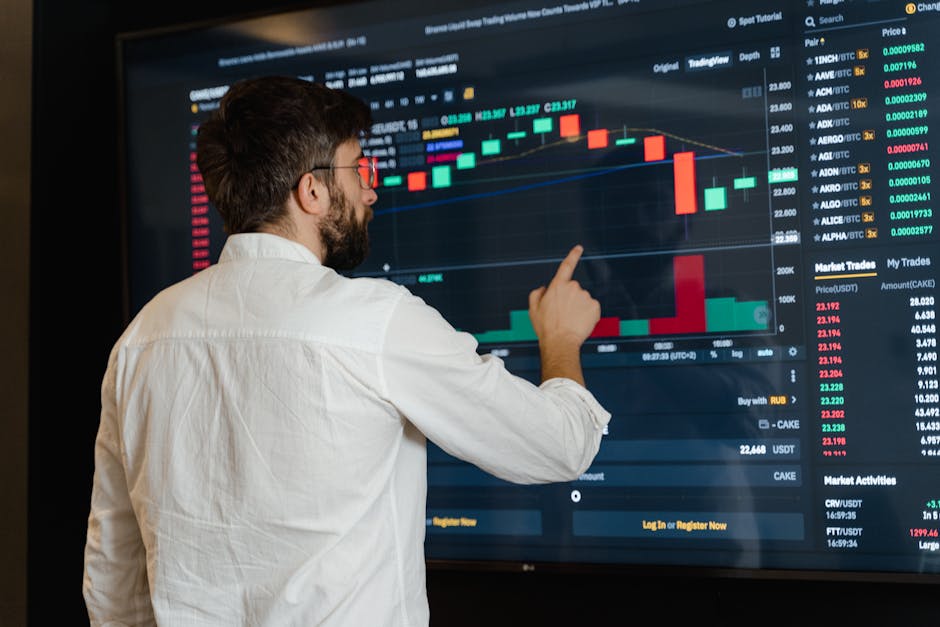
US100 Stop Loss: How Adrian Kept Discomfort From Overruling His Risk Plan
Your US100 stop is close and the trade is red. Use this evidence test before turning a planned loss into an undefined risk.

Revenge Trading: Why Leo Rejected the Fourth Trade After Three Losses
Three losses can quietly turn the next setup into a recovery attempt. Learn the checks that keep position size and approval disciplined.

The Mental Stop at 12:57, and What It Could Cost an Unavailable Trader
A 1:00 meeting can change your portfolio risk. Use a pre-meeting rule to decide which trades can remain open without supervision.

Adrian’s Partial Fill. 45 Shares Could Execute Into a Losing Trade.
A partial fill can change your position size, entry price, and risk. Learn how to reassess the live remainder before it executes.
Daniel’s Three Losses. One Oversized Trade Could Damage His Account.
Three losses can turn discipline into revenge trading. See how one prewritten risk rule protects the next decision and the account.
The Missing Radar Confirmation Petrov Trusted, and What Blind Acceptance Risked
A five-minute framework for approving, reducing, or rejecting an AI trade signal before the market opens.

What If Three AI Trade Signals Fit, but Your Risk Rule Permits Only One?
Three AI trade ideas, room for one. Learn how position sizing and correlation decide which opportunity, if any, deserves approval.
AI Trade Rejection Protocol: How Eli Kept a $210 Risk Limit Intact
Write five rejection conditions on Sunday so Monday’s urgency cannot turn an AI trade analysis into an uncontrolled decision.
The Extra $10 of Planned Loss, and the Monday Choices It Could Cost
A valid trade can still break your risk plan. Learn the calculation that should decide whether Sunday night’s order reaches Monday.

What Would Prove a 2.4% Pre-Market Gold Surge Wrong?
Gold is up before the bell. Learn how price, time, and evidence invalidation can reveal whether the trade still deserves approval.

The $23.75 Exit Marcus Didn’t Plan For, and What It Cost His Account
A 2% risk limit can fail in a thin market. See how slippage, order-book depth, and weekend gaps can turn $400 into $1,000.

Marcus’s Overnight Order. His First Decision Came After Execution.
Strategy settings can permit the wrong trade. See why transaction-level approval matters before an automated order reaches the market.

What Happens When Your Trading Account Is Also Paying Next Month’s Rent?
Before quitting your job to trade, test whether one red week could put rent, discipline, and trading capital in conflict.

Prop Evaluation Risk Management: Why Marcus Chose a Zero Position Size
Near a prop evaluation limit? Learn why an empty order ticket can protect risk capacity when a marginal setup tempts you to act.

Marcus’s Vanishing Offer. A Late Entry Could Break His $25 Risk Limit.
August markets can look calm before liquidity thins. Learn how to check spreads, resize risk, and avoid chasing sudden price moves.

What Happens to Your Trading Capacity During a Drawdown?
See what a 10%, 20%, or 50% drawdown costs in capital, recovery effort, and your ability to take the next trade.
The Obsolete Code Knight Capital Activated, and What 45 Minutes Cost It
Waking to an unknown position exposes a control failure. Learn how approval gates, position sizing, and trade records reduce the risk.

Marcus’s Incomplete Setup. One Trade Could Put the 5% Limit Within Reach.
See how a 5% drawdown limit and a short deadline expose position sizing, rule changes, and the urge to force trades.

Best Broker Lists: How Eli’s Rejected Trade Exposed the Risk Behind Low Fees
Broker rankings compare fees and features. Learn which execution and risk controls matter when your planned trade meets the live market.
The $50.80 Entry That Turned $25 of Planned Risk Into $65
A low-risk signal turns dangerous when volatility moves the entry. See how to recalculate position size, stop risk, and reward before approval.
Daniel’s Three Signals. One Rushed Approval Risked a Concentrated Weekend Bet
Three AI signals arrive before the weekend. Learn a practical drill for checking combined risk, correlation, and when to approve nothing.

What Specific Observation Would Prove Your Trade Setup Wrong?
A convincing setup can still be incomplete. Learn how to define trade invalidation, position size, and risk before approving an order.
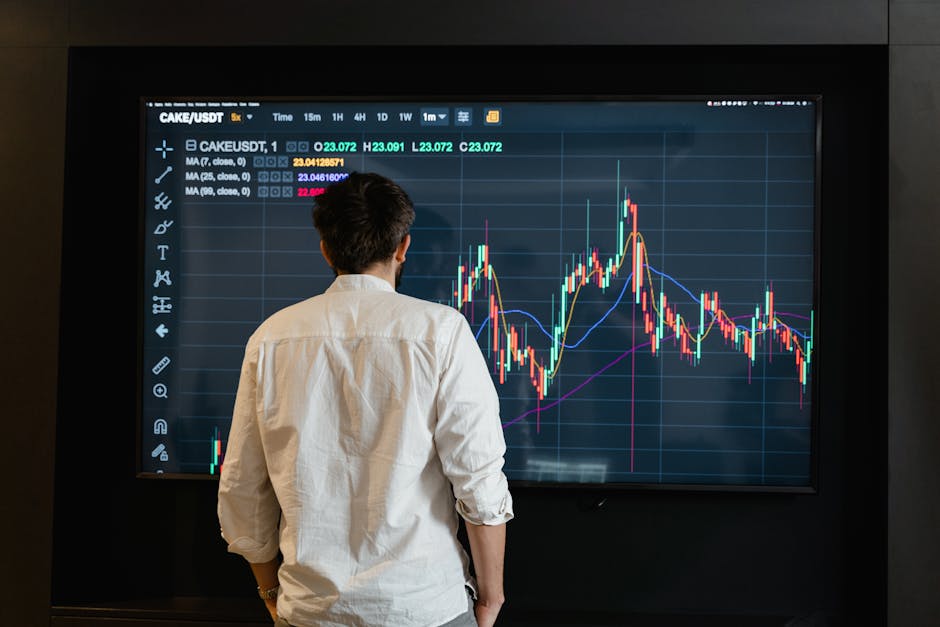
The 12-Cent Friday Spread, and How It Raised Risk 24 Percent
A valid trade signal can lose at the fill. Learn how spread, slippage, and stale sizing quietly increase risk near Friday’s close.
Trade Approval Gates: Why Daniel Rejected a Queued Trade After the Market Changed
See how an approval gate helps traders reassess stale signals, changed headlines, position size, and portfolio risk before execution.
Crypto Portfolio Diversification: Why Lena Rejected a Fourth Correlated Trade
Three crypto-linked tickers can hide one concentrated bet. Learn how to identify shared failure conditions before approving another trade.
Lena’s Stale Signal. The New Entry Tripled Her Planned Risk.
A trade signal can survive earnings while its risk plan fails. Learn what to recheck before approving a queued order.
Thin Volume Breakouts: What Two August Moves Taught Lena About Trade Discipline
Two sharp August moves can hide thin participation. Learn how to check volume, size risk, and pause before approving a trade.
The $60 Budget Overrun Three Valid Trade Signals Can Hide
Three signals can hide one concentrated bet. Learn how to total planned losses, spot correlated exposure, and protect a fixed risk budget.
When Should an Overnight Trading Signal Wait for Human Review?
Know when an overnight trade must pause for review across gaps, order types, leverage, liquidity, and scheduled events.

Overnight Gap Risk: What a $420 Loss Taught Marcus About Position Sizing
An overnight gap can break a stop plan. Learn how to separate a bad outcome from the position-size decision that came before it.

The 23 Shares That Changed What One Bad Trade Could Cost a $750 Account
Before adding another indicator, see how a $750 account changes when position size is calculated from risk first.

What Happens to Position Size When the Opening Candle Widens Your Risk?
See how a wider opening-candle risk distance can cut a 250-share plan to 113 shares without changing the account’s risk limit.
AI Position Sizing: Why Marcus Rejected 280 Shares Before the Closing Bell
See why a valid AI trade signal still deserved rejection when its order size crossed a trader’s preset risk limit.

The Wrong Fuel Conversion That Left Flight 143 Gliding Without Power
A trade thesis can be right while its quantity breaks your risk limit. Learn the checks to run before approving an AI-generated order.
Daniel’s $15,000 Order. One Click Could Triple His Risk.
A trade arrives at 3× the expected size. See the checks that catch sizing errors before an AI-generated order reaches the market.
When Should Overnight Approval for a Queued Trade Expire?
Stop queued trades from inheriting stale approval. Define the overnight changes that trigger cancellation, recalculation, or human review.
AI Trading Approval Gates: What Three Live Orders Taught Marcus About Portfolio Risk
Three valid signals can create one risk you never chose. Learn the checks to make before an AI trade becomes a live order.

The $30 Risk Gap AI Confidence Cannot Close
A strong AI signal can still exceed your risk budget. Learn how to check combined open risk before approving the next trade.

Marcus’s Valid Trade. Three Correlated Positions Put His Repair Money at Risk.
A trade can pass every model rule and still breach your limits. Learn the personal checks an approval gate cannot define for you.
What If a 12% Allocation Was Calculated for the Wrong Account?
A 12% trade allocation can hide the wrong assumptions. Learn how to check account risk before approving an AI-proposed order.
Approval-Gated Trading: How Daniel Preserved the Right to Reject a Valid Signal
Your bot found a valid signal. Your trading plan still says no. See why an approval gate matters before capital moves.

The Chart That Doubled: Why Your Worksheet Still Advises 1% Risk
A frontier market chart doubled, but your position-sizing still says 1% risk. Learn why excitement shouldn't drive trading exposure.

How Does One Bad Trade Take Out 2.5% of a Sub-$1,000 Account?
Learn why position sizing, not prediction, is key for new traders with sub-$1K accounts to manage risk and learn from losing trades.
Frontier Market Position Sizing: Why Lena Rejected a Fast-Moving Trade
Fix maximum loss before urgency takes over. Use this 90-second drill to size, stress-test, approve, or reject a frontier-market order.

The Third Ticker on Your Risk Sheet, and What It Can Hide
Three tickers may hide one concentrated momentum bet. Learn how to identify shared risk before approving another trade.
Owen’s $4,000 Order. Approving It Would Break His 1% Risk Limit.
See how a 1% risk rule turned a $4,000 order into $1,250 before one click put $800 at risk.

What Happens When a Stock Position-Size Rule Is Applied to Platinum?
Adding platinum to your watchlist? Check the units, contract terms, and stop assumptions before reusing a stock sizing rule.
Position Sizing After Losses: Why Evan Rejected a Recovery Trade
Three losses can quietly distort your next order. Learn a position-sizing check that keeps recovery pressure out of your risk calculation.
The Unit Mismatch NASA Missed, and What It Reveals About Trading Risk
A trading system can execute every rule and still create the wrong position. Learn the account-level checks that should come before approval.
Daniel’s Conditional Breakout. A Quarter of His Account Was at Risk.
Before approving a trade signal, separate the thesis, position size, and downside. One obvious setup shows why the pause matters.
Automated Trading Risk: How One Unsupervised Order Erased Daniel’s Gains
One unsupervised order erased five profitable days. See why execution authority matters more than a trading system’s headline accuracy.
Daniel’s Bot Adds a Third Position. He Has Thirteen Minutes to Cut Risk.
Your bot finds a valid trade at 3:47 PM. See why portfolio exposure, timing, and human approval matter before another order executes.
AI Trading Risk Management: Why Daniel Rejected a Valid but Oversized Order
A trade can make sense and still risk too much. Learn how position sizing and an approval gate turn Reject into a disciplined decision.
Position sizing in frontier markets: What a 28% drop taught Yuki about sizing by risk
Why frontier markets trigger FOMO, and how to size positions before emotion costs you everything

Position sizing for a $2,000 account: the math nobody teaches
Position sizing formula for a $2,000 account with real numbers. Learn why small accounts blow up and how the math prevents it.