
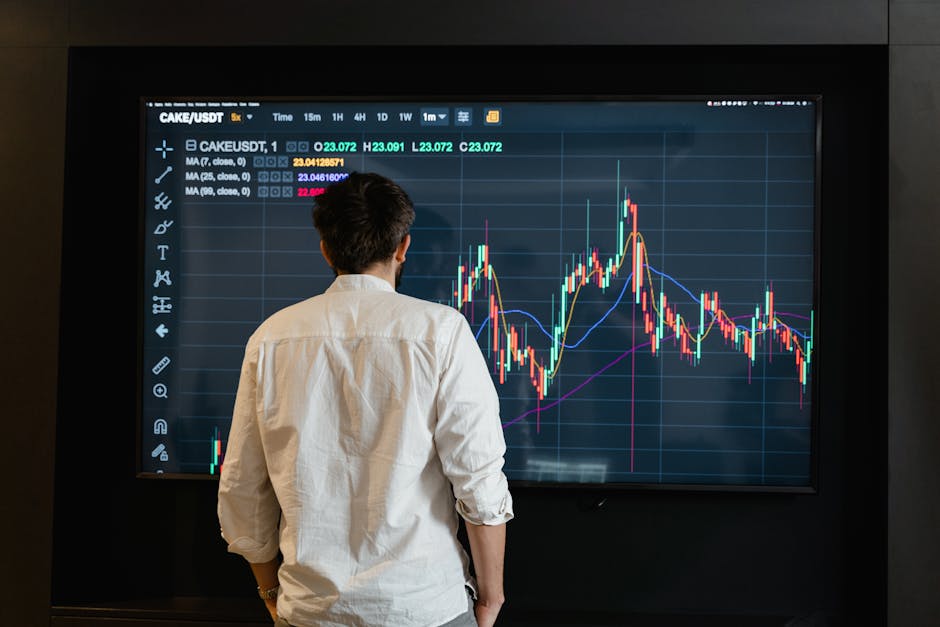
An overnight signal should wait for human review when any one of five conditions applies: the instrument can gap, the order can fill beyond its planned price, leverage magnifies the loss, available liquidity cannot absorb the order, or a scheduled event could invalidate the setup. The approval boundary should use preset thresholds, then block execution until the trader reviews current price, position size, and total account risk.
On January 27, 1986, engineers at Morton Thiokol joined a teleconference about the next morning’s launch of the Space Shuttle Challenger from Kennedy Space Center. Roger Boisjoly and other engineers were concerned that unusually cold conditions could impair the solid rocket boosters’ O-ring seals.
Thiokol initially recommended against launching below 53°F, the lowest temperature represented in its prior launch data. During the call, managers reconsidered and approved the launch. Challenger lifted off on January 28 and broke apart 73 seconds later, killing all seven crew members.
The temperature did not prove that failure was certain. It showed that the available evidence did not support proceeding under those conditions. The Rogers Commission documented the launch decision and the technical failure in its report to the President.
An overnight trading boundary serves the same narrow purpose. It marks conditions where an earlier decision no longer has enough current evidence behind it. The signal may remain logically valid, but execution must wait.
Instrument risk changes while the trader sleeps
A stock can close at one price and open far above or below it. An exchange-traded product may also behave differently from its underlying holdings during stressed trading. Thinly traded tokens can move continuously overnight, yet the displayed price may hide a shallow order book.
That creates a simple rule: require review when the instrument can move through the planned entry or stop before normal execution is available.
For a stock signal, the overnight boundary should apply whenever the market is closed. For crypto, which trades continuously, it should apply when spreads or order-book depth cross the trader’s preset limit. The clock matters less than the market condition.
A limit order does not remove this risk. It controls the maximum purchase price or minimum sale price, but it cannot confirm that the original stop distance, reward-to-risk ratio, or portfolio exposure still makes sense after a large move.
Order type and leverage can turn drift into damage
Market orders should never carry unchanged across an overnight boundary. The trader does not know the eventual fill price, and a stop calculated from yesterday’s quote may represent a different amount of money by morning.
Stop orders also need review when a gap could trigger them at the next available price. A stop price defines a trigger. It does not guarantee the execution price.
Leverage makes these differences more consequential. Any signal using borrowed funds, margin, futures, options, or another instrument with amplified exposure should require fresh approval after the boundary. The relevant number is total loss at the plausible fill price, including existing correlated positions.
Consider an illustrative account with a $100 risk limit for one trade. If an overnight move widens the entry-to-stop distance by 40 percent, keeping the same share count raises planned risk to $140 before slippage or fees. The position must shrink or the trade must be rejected. What happens when the opening candle widens risk? examines that recalculation in detail.
Liquidity and scheduled events require a fresh decision
The signal should wait whenever the intended order exceeds a preset share of visible liquidity near the entry price. There is no universal safe percentage. A trader should define the threshold before placing the trade, using the instrument’s typical spread, depth, and recent volume.
Event risk needs the same treatment. Earnings releases, economic announcements, regulatory decisions, token unlocks, protocol changes, and court rulings can alter the facts behind a setup. If a known event falls between signal generation and intended execution, approval should expire before the event.
Unscheduled news cannot be predicted, but the review can still ask concrete questions:
- Is the current price inside the approved entry range?
- Does the order type cap the execution price?
- Has the spread or available depth crossed the preset limit?
- Has leverage or correlation pushed total account risk above its cap?
- Did an event occur, or is one due before the order can be managed?
One failed condition is enough to pause the order. Confidence scores should not override the boundary.
Encode the boundary before the signal arrives
Write the rules while no trade is competing for attention. Define eligible instruments, permitted order types, maximum leverage, minimum liquidity, event exclusions, and the time when approval expires. Record the values in the trading plan and journal every override.
Nokware’s approval gate keeps the final execution decision with the trader. An overnight signal remains queued until a person checks whether the conditions that supported it still exist. The AI can present the setup and reasoning; it cannot know whether a wider gap threatens rent money, repair savings, or another obligation outside the account.
The Challenger decision remains instructive because the warning threshold was visible before launch. The failure came after decision-makers allowed pressure and uncertainty to weaken that boundary. In trading, the safer procedure is less dramatic: when price, liquidity, leverage, or event conditions leave the approved range, do nothing until a human reviews the order.
Educational content, not financial advice.
Comments
No comments yet.