
Topic
approval-gated-trading

Daniel’s Widening Stops. Friday’s Drawdown Limit Forced a Decision
See how drifting stop-loss rules can enlarge risk, and use a simple review step before the next trade is approved.

What Happens When a $300 Gain Determines Your Position Size?
A hoped-for $300 gain can hide oversized risk. Learn the position-sizing check to make before approving a trade.
The Drawdown Limit You Breached, and What the Next Signal Could Cost
Drawdown limit breached? Use this review process to assess queued trade signals before approving another order.
Backtest confidence versus approval-gated execution: what historical testing can estimate, what it cannot know, and why a human decision remains necessary before a real order.
Learn what a backtest can estimate, where its assumptions break, and how an approval gate helps control live trade risk.
The $20 Risk Limit an AI Trade Could Exceed, and Why Rejection Matters
Learn why rejecting an oversized AI-generated trade helps traders build position-sizing discipline before an order executes.

The moment a trader sees an autonomous bot increase exposure during a drawdown and cannot explain why — a practical comparison of black-box automation, alerts, and approval-gated trading.
A practical comparison of bots, alerts, and approval gates when a drawdown triggers an unexplained add to a trading position.
The Five Missiles Petrov Questioned, and What a Queued Trade Can Cost
Learn how to spot queued trades that conflict with your plan before position size, timing, or exposure turns into risk.

The Missing Stop Behind an 8% Dip, and What It Can Cost
An 8% dip means little without a defined loss limit. Learn how position size and stop placement make trading risk visible.
The five seconds before approving a trade: a practical checklist for position size, stop placement, downside, and invalidation
A five-second approval checklist for sizing trades, placing stops, measuring downside, and rejecting stale setups.
Trading Journal Approval Gates: How Eli Caught a Repeat Before Entry
Your trading journal can spot bad habits. An approval check can stop them before the next order is placed.
What Happens When 40 Shares Risk $100 Against a $35 Limit?
Turn a cash-loss limit into a share count before approving an order, and catch oversized positions before submission.
The $5 Stop That Can Cost $125 or $1,250
See how position sizing can turn the same trade signal into a $125 loss or a $1,250 loss on a $25,000 account.
Eli’s queued order risks too much. He leaves it unapproved.
An AI trade signal is only a proposal. Review planned loss, position size, and exit conditions before approving any order.
What Should You Review Before Approving a Fourth Alert After Three Losses?
Three losses can distort the next trading decision. Use a review and position-sizing check before approving a queued signal.
The Friday Order That Needed a Second Decision, Before Risk Changed
A valid trade signal cannot replace your consent. Learn how approval gates protect position sizing and risk decisions.
The $50.00 Print That Could Not Fill Your Order, and What It Could Cost
A valid backtest signal can fail live when liquidity disappears. Learn how to check spreads, sizing, and execution risk before trading.
Quinn’s Sandisk order breaks her risk limit. Her portfolio has no room.
Two valid trade signals can exceed one risk budget. Learn how to check combined portfolio risk before you approve an order.
What Evidence Does a Portfolio Warning Need Before You Approve a Trade?
A trading warning can demand attention without proving a trade deserves approval. Learn what evidence to review before risking capital.
Elias’s Queued Trade Went Stale. The Index Spike Changed His Risk.
An index spike can make a queued trade stale. Learn the checks that help traders reject changed setups before execution.

The Queued Order Ten Minutes Before Earnings, and What Pressure Can Override
An earnings order is queued with ten minutes left. Use a prewritten risk check to decide without guessing the announcement.

What Should You Do When Trade Alerts Spike but the Evidence Does Not?
Eleven signals can hide one concentrated risk. Learn when to pause AI trade approvals and what to verify before placing an order.
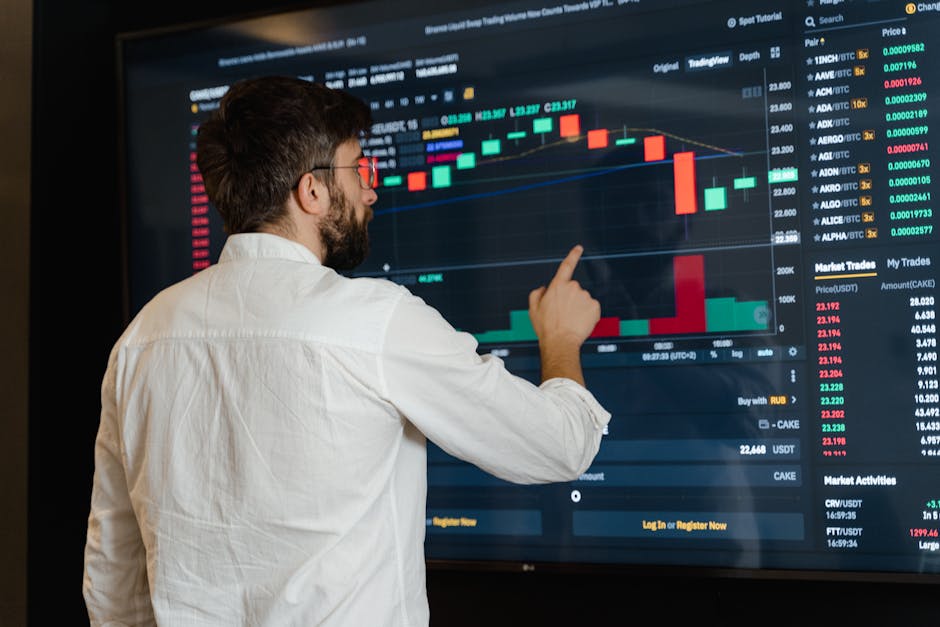
US100 Stop Loss: How Adrian Kept Discomfort From Overruling His Risk Plan
Your US100 stop is close and the trade is red. Use this evidence test before turning a planned loss into an undefined risk.
The Queued Order That Survived the RBI News, and What It Could Cost
Banking stocks fell after an RBI decision. Learn how to review a queued trade before fear turns a signal into an order.
The Mental Stop at 12:57, and What It Could Cost an Unavailable Trader
A 1:00 meeting can change your portfolio risk. Use a pre-meeting rule to decide which trades can remain open without supervision.
Brokerage AI analysis vs autonomous trading bots vs approval-gated assistants: who controls order execution, risk limits, and the final decision?
Compare brokerage AI, autonomous bots, and approval-gated assistants by execution control, risk limits, and human oversight.

The $23.75 Exit Marcus Didn’t Plan For, and What It Cost His Account
A 2% risk limit can fail in a thin market. See how slippage, order-book depth, and weekend gaps can turn $400 into $1,000.

Mara’s Valid Crypto Signal. A Geopolitical Shock Invalidates Its Assumptions.
Learn when geopolitical news should pause an AI trade signal, which assumptions to recheck, and how to document the decision.

The $50.80 Entry That Turned $25 of Planned Risk Into $65
A low-risk signal turns dangerous when volatility moves the entry. See how to recalculate position size, stop risk, and reward before approval.
Daniel’s Three Signals. One Rushed Approval Risked a Concentrated Weekend Bet
Three AI signals arrive before the weekend. Learn a practical drill for checking combined risk, correlation, and when to approve nothing.

What Specific Observation Would Prove Your Trade Setup Wrong?
A convincing setup can still be incomplete. Learn how to define trade invalidation, position size, and risk before approving an order.

Should I Sell XRP When Sentiment Is Bearish but Ledger Activity Is Rising?
XRP sentiment is bearish while network activity rises. Learn how to review the conflict before approving, rejecting, or delaying a trade.
Trade Approval Gates: Why Daniel Rejected a Queued Trade After the Market Changed
See how an approval gate helps traders reassess stale signals, changed headlines, position size, and portfolio risk before execution.
AI brokerage analysis vs autonomous trading bots: where portfolio insight ends and unsupervised execution begins
Learn how to separate AI portfolio insight from autonomous execution, audit permissions, and keep a human approval gate before orders go live.
Maya’s Three Conflicting AI Signals. Eleven Minutes to Risk Her $750 Account.
Three AI tools, three portfolio opinions. Learn how to inspect their assumptions, control risk, and keep the final trading decision yours.

When Do Rejected Trade Signals Reveal a Weakness in Your Decision Process?
Regret rejecting a winning trade? Use a Sunday review to find the conditions that weaken your discipline before the next market open.

Crypto Portfolio Diversification: Why Lena Rejected a Fourth Correlated Trade
Three crypto-linked tickers can hide one concentrated bet. Learn how to identify shared failure conditions before approving another trade.
The Dormant Code Knight Capital Missed, and the $440 Million Consequence
Seven valid entries can still expose a broken trading process. Learn how to review the decisions your system skipped.
Lena’s Stale Signal. The New Entry Tripled Her Planned Risk.
A trade signal can survive earnings while its risk plan fails. Learn what to recheck before approving a queued order.

What Should You Do When Yields, Equities, and Gold Rise Together?
Yields, stocks, and gold are all rising. Use this review process before turning conflicting market signals into a trade.
The $60 Budget Overrun Three Valid Trade Signals Can Hide
Three signals can hide one concentrated bet. Learn how to total planned losses, spot correlated exposure, and protect a fixed risk budget.
Marcus’s Stale Risk Alert. A Queued Order Could Breach His Portfolio Limit.
A portfolio-risk alert demands investigation. Learn what to verify before resizing, rejecting, or approving a queued trade.
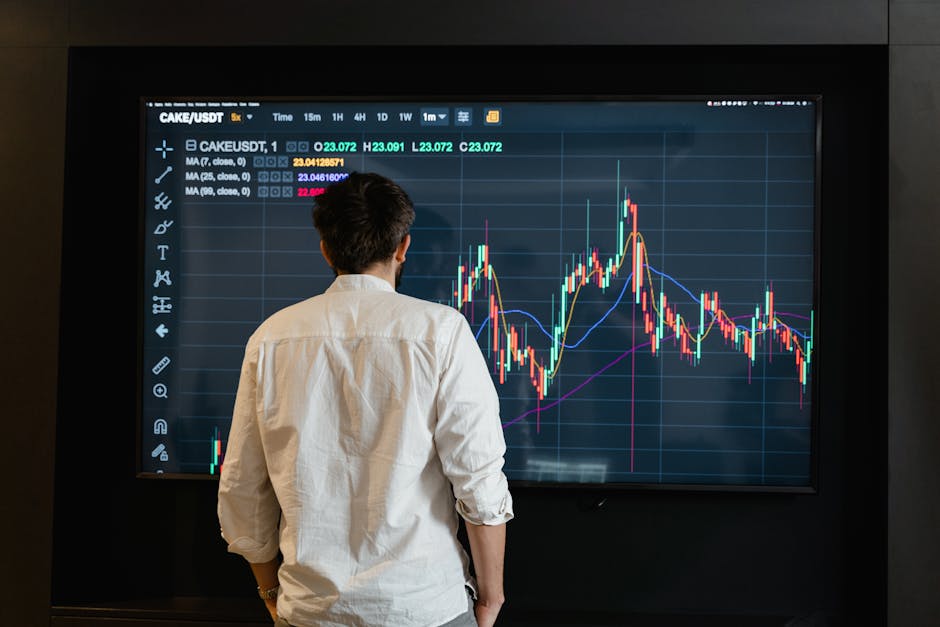
When Should an Overnight Trading Signal Wait for Human Review?
Know when an overnight trade must pause for review across gaps, order types, leverage, liquidity, and scheduled events.

Overnight Gap Risk: What a $420 Loss Taught Marcus About Position Sizing
An overnight gap can break a stop plan. Learn how to separate a bad outcome from the position-size decision that came before it.

AI-first is not the same as AI-in-control: a practical comparison of autonomous bots, advisory tools, and approval-gated trading assistants.
Compare autonomous bots, advisory tools, and approval-gated AI before deciding who gets authority to place your trades.
The One Old-Code Server Knight Capital Had, and the $460 Million Consequence
See how approval-gated AI keeps a questionable Friday trade reversible before it becomes a live position.
Arjun’s Correlated Positions. Seconds to Protect His Daily Risk Limit.
An approved trading algorithm can still propose the wrong order for your account. Learn where compliance ends and trader control begins.
Can Rejecting All Five Queued Signals Make the Week a Success?
When zero trades is the right result: use a Friday review to test queued signals, document rejections, and measure trading discipline.
AI Trade Approval Gates: Why Marcus Rejected a Valid Signal During Volatility
See how an AI trading approval gate changes risk, position sizing, and discipline during the first volatile session after disabling a bot.

The 23 Shares That Changed What One Bad Trade Could Cost a $750 Account
Before adding another indicator, see how a $750 account changes when position size is calculated from risk first.
Where Does AI Proposal End and Human Authority Begin in a Trade?
See exactly where AI trading proposals should stop and human approval should begin across sizing, execution, changes, and exits.
Owen’s $4,000 Order. Approving It Would Break His 1% Risk Limit.
See how a 1% risk rule turned a $4,000 order into $1,250 before one click put $800 at risk.

Eli’s correlated exposure. One more trade would exceed his risk limit.
Your AI found a trade. Before approving it, use this risk review to decide whether the signal fits your account and written rules.
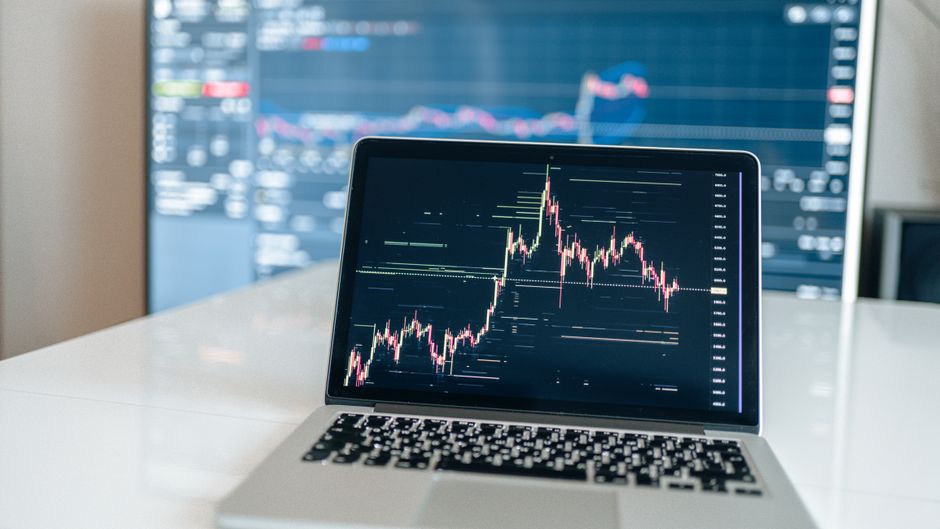
Marcus's $98 stop. Three seconds, $160 lost.
Stop-loss latency costs real money. Here's what happens in those milliseconds between price hitting your stop and your order filling, and why you need to see it.