
Topic
approval-gate-trading

Apollo 13’s Lost Oxygen Tank, and the Risk a Long Weekend Can Hide
A three-day market closure can change your risk limit. Learn how to size positions, review gaps, and approve trades before the weekend.

Priya's Sixth Refresh. Her Last Decision Could Break the Rule.
Six chart refreshes can signal decision fatigue. Learn how to use the cue to check your trading limit before approving another volatile-market trade.
AI trading approval controls: Why Naomi Rejected a Queued Crypto Order
Test any “advanced AI” trading claim with five questions before it reaches an order approval screen.
Daniel’s fourth signal. An oversized order would break his daily loss limit.
Three losses can turn the next signal into a repair job. Learn how to spot revenge-trading risk before approval.

What Should You Check Before Approving a Trade at Peak Conviction?
Peak conviction can override risk rules. Learn how an approval gate creates space to reject trades that break your plan.
Backtest Assumptions: Why Evan Rejected Monday’s Live Signal
A backtest can pass every historical check and still fail at live execution. Learn which assumptions to test before approving a trade.
Jonah's Three Trades Shared One Risk. His Stops Exceeded His Limit.
Three reasonable AI signals can hide one concentrated trade. Learn how to spot shared risk before approving an order.
Who Has Permission to Turn an AI Signal Into a Live Order?
Before trusting AI trading profits, check what the app is actually authorized to do in your broker account.
Stop-Out Reset: Why Maya Rejected the Queued Order
Use a 10-minute stop-out reset to check risk, review the next signal, and keep a completed loss from driving the next trade.
What Happens When Analysis Access Can Also Place Your Trades?
Audit what an AI trading tool truly needs to analyze markets, and what requires separate authority to place an order.
The Entry Price Your Backtest Assumed, and What Approval Could Cost
Learn how approval delays can change backtest fills, position risk, and the trades you would actually take.
Queued stock orders: What an Opening Gap Taught Lena About Position Risk
Opening gaps can change stop distance and position risk. Learn the checks to make before approving a queued trade.
What Happens When Familiarity Drives a Queued Trade Signal?
A queued trade signal creates ten seconds to catch familiarity bias before you approve a real order.
The Queued Exit Andre Rejected, and the Losing Position It Would Have Protected
An AI-generated exit can preserve the wrong risk. Learn how to spot familiarity bias before approving a trade.

What Happens When Profitable Trades Break Your Risk Rules?
Five green trades can still hide weak discipline. Learn how to review plan violations before a losing trade exposes the risk.

Trade Order Preview: Priya Caught a 40-Share Risk Mismatch Before Approval
A queued trade showed 40 shares instead of 20. Learn the preview checks that can catch position-sizing mismatches before execution.
Tomas’s unexplained crypto position. A larger loss risked following.
Find an unfamiliar trade in your account? Learn the containment steps that turn an unexplained position into a reviewable risk decision.
What Happens When a Backtest Has 47 Weak Variations?
A strong backtest may be the survivor of dozens of weak versions. Learn how to check for overfitting before approving a trade.

Maya’s bot opens a thin-market trade. Her weekly risk is at stake.
A configured bot can enter trades you would reject. Learn why approval gates matter when liquidity and risk change.
What Happens When Risk Increases on the Trades After a Loss?
A losing trade can raise risk on the approvals that follow. Learn how to spot exposure drift before it compounds.
Approval-gated AI vs autonomous trading bots: where human review changes execution risk, accountability, and learning.
Compare approval-gated AI and autonomous bots, then use a practical review process to control risk and learn from every trade.
What Happens When a Bot Acts Before You Review the Trade?
A flawed trading signal becomes a real loss when automation skips context. Use approval gates to check size, stops, and risk before execution.
The 80 Share Signal That Broke the $35 Risk Limit
Why rejecting an oversized AI trade signal can protect your risk plan, and how approval gates build trading discipline.
What Can Friday Review Reveal About Your Queued, Approved, and Rejected Trades?
Turn TraderCoach’s approval gate into a Friday decision record that exposes risk-rule drift before it becomes habit.
Approval-Gated Trading: Why Eli Rejected a Second Buy After a 9% Overnight Move
A 9% overnight move changes the next trade decision. Use an approval review to check risk before another order executes.
The Cancellation Condition This Trade Plan Didn’t Have, and What It Cost
A trade can fail before entry. Learn how cancellation conditions protect a pre-session plan from turning into a rescue story.
What Is Your 2% Risk Actually Based On?
A 2% trading risk rule can fail when cash, equity, and buying power mean different things. Check the denominator before approval.
The Queued Signal After a Loss Limit Breach, and What It Could Cost You
A loss-limit breach changes your available risk. Learn why each queued trade deserves a fresh approval.

Eli’s Three Trades Lacked a Shared Plan. One Market Move Could Sink Them All
Three approved trades can hide three different motives. Learn how to record rationale, invalidation, and total risk before entering.
What Happens When a Queued Trade Opens Before Earnings?
A queued trade can open before earnings. See how an approval gate puts event risk in front of the trader before execution.
AI trading signal confirmation: What Mateo’s queued order taught about total risk
When an AI signal confirms your overnight conviction, use this review process to test risk before approving a trade.
The $126 Order That Failed Review, and What It Could Cost After a Loss
An overnight loss is where discipline begins. Use a human approval gate to review risk before the next trade executes.
Arun’s $126 risk exceeded his limit. He rejected the tempting order.
A convincing AI signal can still breach your risk limit. See why rejecting the order is part of disciplined trading.
Trade signal approval: What Leon’s rejected order taught about risk and uncertainty
Review every trade signal, risk limit, and uncertainty before approving an order with TraderCoach.
The Queued Order During a Drawdown, and What It Can Cost Your Capital
During a drawdown, a queued trade needs review. Learn how approval gates help traders check risk before another order executes.
What Happens When a Loss Starts Approving the Next Trade?
A prior loss is account history, not proof that today’s trade deserves approval. Use risk limits and an approval pause to reset.
Recovery Trading Attempts: What Leo’s Queued Order Taught About Risk
Learn how to spot a recovery trade before a small loss turns into a larger, unplanned risk.
The 6:12 AM Position You Did Not Plan to Hold, and the Permission Behind It
Before connecting an auto-trading tool, verify who can place, change, or re-submit orders while you are offline.
AI trade approval gates: Why Rafael Would Have Rejected the Leveraged Position
Why unfamiliar leveraged positions happen, and how an approval gate keeps every trade decision in human hands.
The 9:31 Queued Order, and What Retaliation Could Cost
A 9:31 opening loss can trigger revenge trading. See how an approval gate keeps the next order under review.
What Happens When Your Stop Widens but Your Position Size Stays the Same?
A loss limit only works when it controls the order. Learn how to turn a spreadsheet number into a pre-trade risk rule.
Queued Crypto Order: What a Moved Stop Taught Daniel About Risk
A high-confidence signal can outlive its risk case. Learn what to re-check before approving a queued trade.
The Long Putter Bernhard Langer Used, and What It Changed Under Pressure
Learn how changing market conditions should change position size, stops, and approval limits before risk expands.
Mara’s $145 loss risk. Her $100 limit holds.
A plausible queued trade can still exceed your risk plan. See how a written loss limit protects the final decision.
What Happens When Live Commentary Makes Your Trade Risk Drift?
Live market commentary can shape a trade thesis. Learn why position size and maximum loss must still come from your own risk rules.
Position sizing: Mateo’s Oversized Breakout Trade Made the Risk Visible
Learn how to size a trade from a defined risk limit before conviction and a moving chart push exposure too high.
Aaron’s Overnight Fills Shrink Capital. Queued Orders Raise Risk.
Review overnight fills before approving queued trades, so current capital and risk limits guide every new decision.
The 200 Nike Shares That No Longer Fit the Risk Budget
A Nike turnaround thesis can survive while a queued trade fails your risk limit. Learn how to size the position before approval.
Priya's Bitcoin breakout failed to hold. Her risk limit held.
Four experts can recommend four trades. Learn to identify the market regime each setup assumes before you risk capital.
The Note Before Reopening the Chart, and What It Could Cost a Trade
Learn how to define trade invalidation evidence before reopening the chart, especially when gold, yields, and equities rise together.
The Three Queued Trades That Failed the Rules, and What Approval Prevented
Three AI trade signals can remain unapproved. Learn how to review, reject, and document them without surrendering control.
The 1:47 p.m. Watchlist That Didn't Earn Capital, and What It Could Cost
A written minimum-entry rule can stop quiet August sessions from turning boredom into an unplanned trade.
Maya’s Stop Distance Widens. Her Daily Risk Limit Is at Stake.
Before approving a queued trade, recheck volatility and resize risk when the pre-open chart has changed.
What Happens When a Valid Friday Setup Hits Your Weekly Loss Limit?
A valid Friday setup can still be a rejection. Learn how weekly loss limits protect trading discipline under pressure.
The 2:12 AM Alert That Left the Order Queue Open, and What It Could Cost
A drawdown alert can arrive too late if new orders stay active. Learn why risk limits need an automatic trading pause.
Bid-Ask Spread Risk: Why Elena Let a Queued Trade Expire
A wider bid-ask spread can break a trade plan before approval. Learn when an expired signal protects your risk rules.
What Does One More Defense Trade Do to Your Portfolio?
A valid Lockheed Martin signal can still concentrate your portfolio. Learn how to review shared exposure before approving a trade.
What Happens When Currency Trades Share the Same Risk Off Bet?
A US100 selloff can link currency trades fast. Learn how to spot shared risk before approving the next order.
Thin August Liquidity: Why Mara Reduced a Valid Trade’s Size
A valid signal can still be too large. Learn how thin August liquidity should change your position-size decision.
What Evidence Would Make This Nike Turnaround Thesis Unacceptable?
Before approving a turnaround trade, define the evidence that would prove your thesis wrong.
What Happens When a Quiet-Market Bot Meets Its First Volatile Session?
A quiet month can hide fragile bot assumptions. Use approval gates, pause controls, and risk checks before volatility returns.
Jonah’s Stop Threatened His Rent Money. The Trade Failed His Risk Test.
A perfect technical setup can still carry too much risk. Learn how to size trades so one loss does not disrupt your life.
The 8:12 AM Allocation Change With No Named Trigger, and the Risk It Hides
A rebalance recommendation without a changed variable is impossible to evaluate. Learn what evidence to require before approving it.
Lena’s three valid setups face thinning Friday liquidity. She approves none.
Three valid Friday setups can still be bad trades. Learn how thinning liquidity changes an approval decision.
What Happens When a Bot Enters as Spreads Widen?
A volatility spike can change a trade before it fills. Learn why an approval gate keeps risk decisions in human hands.
The 7% That Existed Only in a Spreadsheet, and What It Can Cost a Trader
A bot can obey its drawdown limit while you lose the ability to follow the plan. Build risk limits you can actually endure.
Daniel’s Fifth Order. A Concentrated Bet Could Exceed His Risk Limit.
A queued trade can become unsafe overnight. Learn why fresh approval protects your position count and total risk.
IONQ Price Targets: Why Eli Rejected an Order Without Defined Risk
Two IONQ price targets can spark a trade idea. Learn the evidence, risk limits, and approval checks required before placing an order.

The Weakening Volume at 7:12 AM, and What It Could Cost an XRP Trader
Bullish XRP momentum and weakening volume? Use a clear wait condition before a dashboard disagreement becomes a forced trade.
Concentration-risk alerts: What Eli Learned About Portfolio-Level Risk
A concentration-risk alert can expose hidden portfolio risk before you approve a pending trade. Learn the checks to make first.
Adrian’s Three Gold Headlines. No Confirmation, No Trade.
Three bullish gold headlines can repeat one assumption. Use this pre-trade routine to test confirmation, invalidation, and risk first.

Leo’s Three Weak Signals. One Forced Trade Could Put $28,000 at Risk.
Three signals are waiting. Learn why weak price, volume, and volatility confirmation can make rejecting all three the disciplined choice.
XRP Sentiment: Why Jonah Rejected a Trade Without Entry Evidence
XRP sentiment has reached a bearish extreme. Learn what must confirm before you turn that context into a risk-defined trade.
The Third August Setup, and What Scarcity Makes It Seem Worth
Thin August markets can make weak chart patterns feel compelling. Use an approval checklist to separate real evidence from pressure to trade.
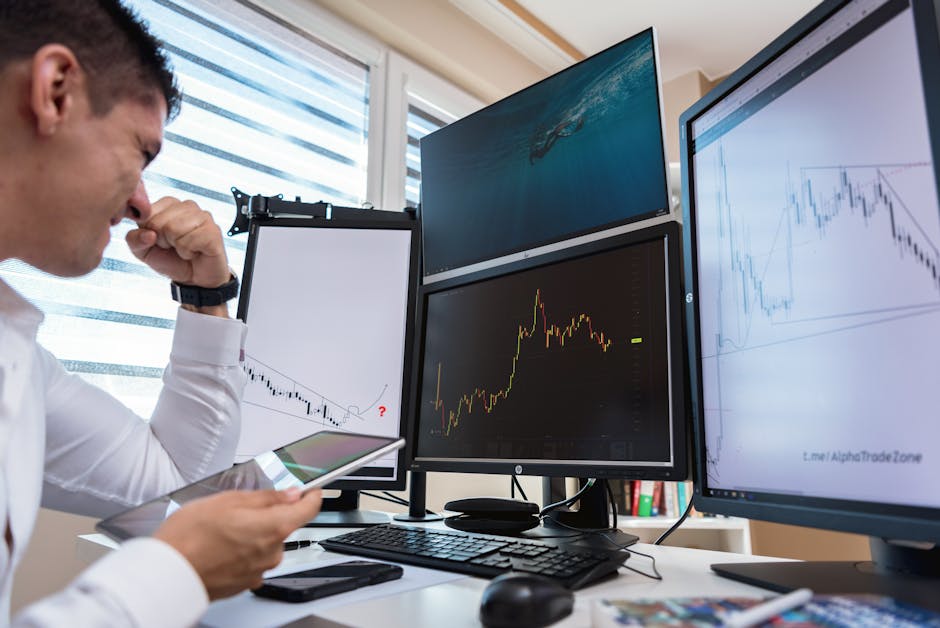
Daniel’s Three Losses. One Oversized Trade Could Damage His Account.
Three losses can turn discipline into revenge trading. See how one prewritten risk rule protects the next decision and the account.
The Missing Radar Confirmation Petrov Trusted, and What Blind Acceptance Risked
A five-minute framework for approving, reducing, or rejecting an AI trade signal before the market opens.

What If Three AI Trade Signals Fit, but Your Risk Rule Permits Only One?
Three AI trade ideas, room for one. Learn how position sizing and correlation decide which opportunity, if any, deserves approval.
AI Trade Rejection Protocol: How Eli Kept a $210 Risk Limit Intact
Write five rejection conditions on Sunday so Monday’s urgency cannot turn an AI trade analysis into an uncontrolled decision.
The Extra $10 of Planned Loss, and the Monday Choices It Could Cost
A valid trade can still break your risk plan. Learn the calculation that should decide whether Sunday night’s order reaches Monday.
Lena’s 11 clustered signals. One reversal could hit her whole account.
Your setup appeared 11 times. Learn how signal frequency can reveal a market change and hidden concentration before your next approval.

US100 Portfolio Risk: Why Marcus Rejected a Fourth Correlated Position
A US100 swing can expose hidden concentration across tech, growth stocks, and crypto. Learn what to check before approving another trade.

Marcus’s Overnight Order. His First Decision Came After Execution.
Strategy settings can permit the wrong trade. See why transaction-level approval matters before an automated order reaches the market.

What Happens When Your Trading Account Is Also Paying Next Month’s Rent?
Before quitting your job to trade, test whether one red week could put rent, discipline, and trading capital in conflict.
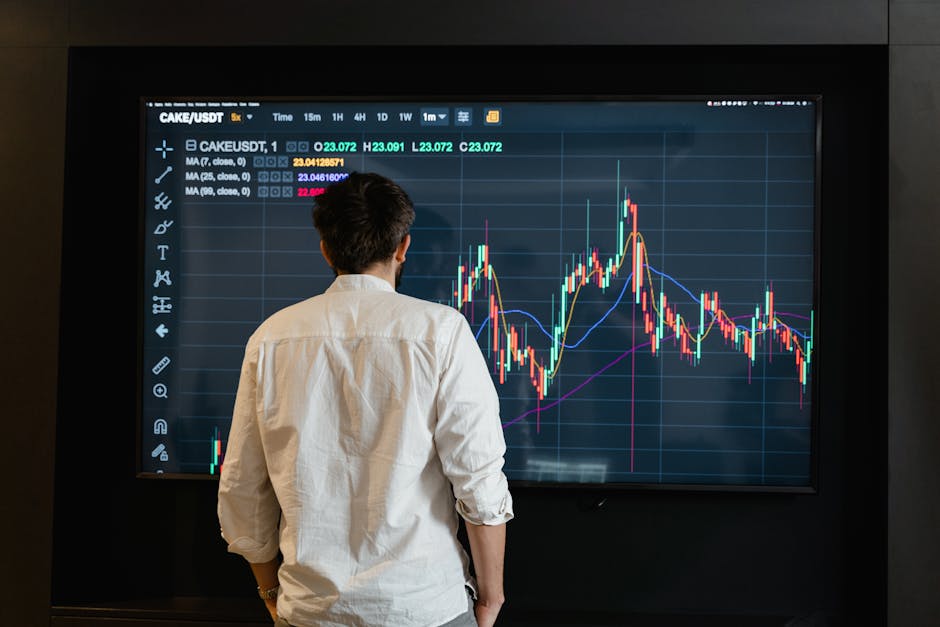
The Obsolete Code Knight Capital Missed, and the $460 Million Consequence
A valid signal can become a bad order. See how a wider August spread changes entry cost, position size, and the approval decision.
August Bounce Trading Signal: Why Marcus Rejected a Low-Volume Rally
See why a low-volume August rally can satisfy a trading bot while failing a human review of spreads, correlation, and position risk.

The Obsolete Code Knight Capital Activated, and What 45 Minutes Cost It
Waking to an unknown position exposes a control failure. Learn how approval gates, position sizing, and trade records reduce the risk.

The 80 Cents That Turned $25 of Planned Risk Into $65
Before approving a trade signal, run five checks that expose stale prices, hidden concentration, weak exits, and risks the bot cannot see.

Trading Evaluation Deadlines: What an Incomplete Setup Taught Daniel About Discipline
A trading deadline can distort setup quality. Learn how fixed risk rules and an approval gate protect your process on evaluation day three.
The 12-Cent Friday Spread, and How It Raised Risk 24 Percent
A valid trade signal can lose at the fill. Learn how spread, slippage, and stale sizing quietly increase risk near Friday’s close.
Thin Volume Breakouts: What Two August Moves Taught Lena About Trade Discipline
Two sharp August moves can hide thin participation. Learn how to check volume, size risk, and pause before approving a trade.

What Happens to Position Size When the Opening Candle Widens Your Risk?
See how a wider opening-candle risk distance can cut a 250-share plan to 113 shares without changing the account’s risk limit.
AI Position Sizing: Why Marcus Rejected 280 Shares Before the Closing Bell
See why a valid AI trade signal still deserved rejection when its order size crossed a trader’s preset risk limit.

The Wrong Fuel Conversion That Left Flight 143 Gliding Without Power
A trade thesis can be right while its quantity breaks your risk limit. Learn the checks to run before approving an AI-generated order.
Daniel’s $15,000 Order. One Click Could Triple His Risk.
A trade arrives at 3× the expected size. See the checks that catch sizing errors before an AI-generated order reaches the market.
When Should Overnight Approval for a Queued Trade Expire?
Stop queued trades from inheriting stale approval. Define the overnight changes that trigger cancellation, recalculation, or human review.
AI Trading Approval Gates: What Three Live Orders Taught Marcus About Portfolio Risk
Three valid signals can create one risk you never chose. Learn the checks to make before an AI trade becomes a live order.

The $30 Risk Gap AI Confidence Cannot Close
A strong AI signal can still exceed your risk budget. Learn how to check combined open risk before approving the next trade.

Marcus’s Valid Trade. Three Correlated Positions Put His Repair Money at Risk.
A trade can pass every model rule and still breach your limits. Learn the personal checks an approval gate cannot define for you.
What If a 12% Allocation Was Calculated for the Wrong Account?
A 12% trade allocation can hide the wrong assumptions. Learn how to check account risk before approving an AI-proposed order.
Approval-Gated Trading: How Daniel Preserved the Right to Reject a Valid Signal
Your bot found a valid signal. Your trading plan still says no. See why an approval gate matters before capital moves.

David's bot traded overnight. He forgot an old order.
Discover why autonomous trading bots generate orders with no clear owner, leading to unexpected trades. Learn how an approval gate restores control.
Frontier Market Position Sizing: Why Lena Rejected a Fast-Moving Trade
Fix maximum loss before urgency takes over. Use this 90-second drill to size, stress-test, approve, or reject a frontier-market order.
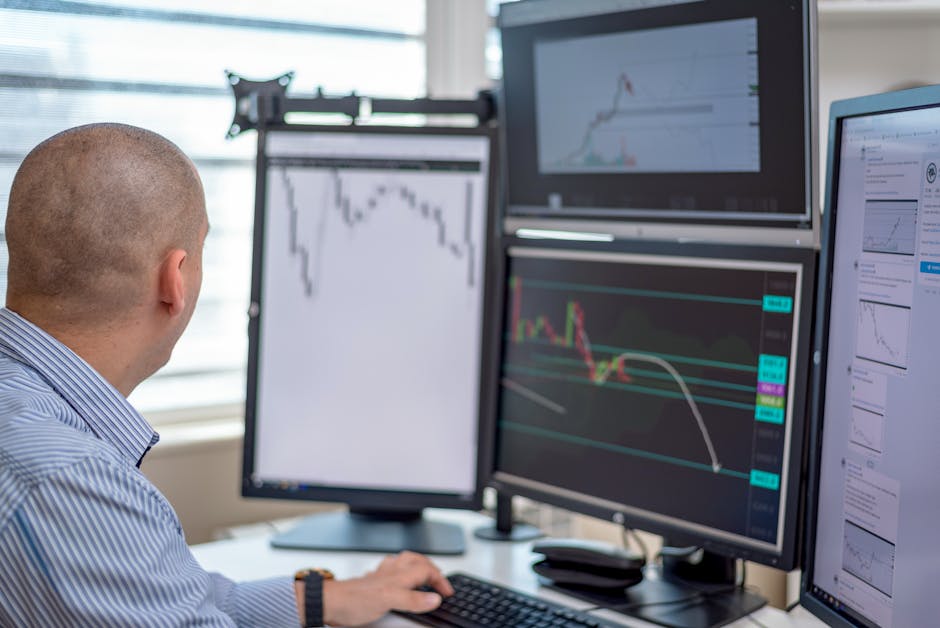
The Third Ticker on Your Risk Sheet, and What It Can Hide
Three tickers may hide one concentrated momentum bet. Learn how to identify shared risk before approving another trade.
Position Sizing After Losses: Why Evan Rejected a Recovery Trade
Three losses can quietly distort your next order. Learn a position-sizing check that keeps recovery pressure out of your risk calculation.
The Unit Mismatch NASA Missed, and What It Reveals About Trading Risk
A trading system can execute every rule and still create the wrong position. Learn the account-level checks that should come before approval.
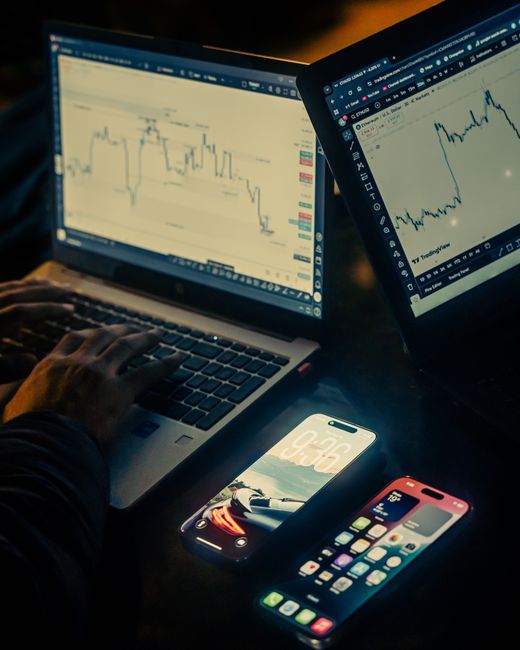
What Should I Do When My Trading Bot Starts Placing Unexplained Orders?
Your trading bot acted overnight. Learn the first steps to stop new orders, preserve the logs, and reconstruct what happened.
Automated Trading Risk: Marcus Learned Why Every Order Needs Fresh Approval
A $184 loss exposed a bigger trading risk: an order filled without approval. Learn how execution rules keep the final decision with you.
The Overnight 2% Limit Your Bot Didn't Have, and What It Could Cost You
Your trading bot cannot follow an unwritten risk limit. Learn how to turn assumed boundaries into rules you can test before an order goes live.
Daniel’s Conditional Breakout. A Quarter of His Account Was at Risk.
Before approving a trade signal, separate the thesis, position size, and downside. One obvious setup shows why the pause matters.

What Happens When a Trade Alert Arrives Before You Can Review the Risk?
An alert can wait. Learn how approval-gated trading keeps signals from becoming unwanted positions before you review the risk.

Automated Trading Risk: How One Unsupervised Order Erased Daniel’s Gains
One unsupervised order erased five profitable days. See why execution authority matters more than a trading system’s headline accuracy.
The 3:46 AM Trade You Didn't Approve, and the Exposure You Inherited
Your trading bot found a setup overnight. Should it place the order without you? See why faster signals still require human approval.
Daniel’s Bot Adds a Third Position. He Has Thirteen Minutes to Cut Risk.
Your bot finds a valid trade at 3:47 PM. See why portfolio exposure, timing, and human approval matter before another order executes.

When Should I Reject an AI Trade Based on an Unconfirmed War Headline?
Before approving an AI trade on breaking war news, check the headline, entry, volatility, and size. One rejection can protect the process.
AI Trading Risk Management: Why Daniel Rejected a Valid but Oversized Order
A trade can make sense and still risk too much. Learn how position sizing and an approval gate turn Reject into a disciplined decision.

The Two Numbers Behind “Up 50%,” and What Their Absence Conceals
Before trading on “issuance up 50%,” uncover the absolute supply, dates, issuer, and comparison base hidden behind the percentage.
Daniel’s Bot Re-entered. One More Stop Could End His Session.
When a bot adds exposure after a loss, drawdown becomes a control problem. Learn how approval gates protect the pause needed to reassess risk.
$8,400 Lost, 347 Trades, and the One Question That Broke You
Why closing an automated trading bot hurts more than the loss itself, and what you can actually do about it.
Trading signals: What losing $8K taught Jake about the approval gate
What trading signals look like while you sleep: queued, transparent, waiting for you to review and decide.
30 days of queued signals: what got approved, what got rejected, and why
What happens when you inspect every AI trading signal approved or rejected? 30 days of real data, actual decisions, no cherry-picking.

The trading journal you're not keeping (and the one built into every approval)
Your trading journal shows if your strategy works. TraderCoach logs it automatically: every decision becomes your record.